
 2 hours ago
10
2 hours ago
10
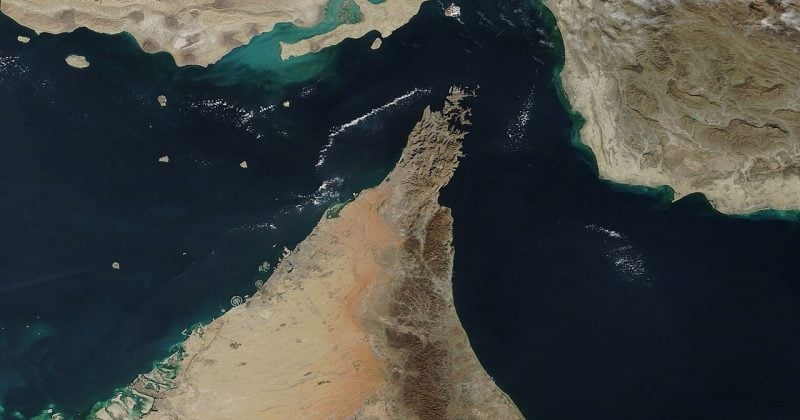
The Strait of Hormuz, the narrow waterway through which roughly a fifth of the world’s oil supply flows on any given day, just lost half its traffic. Vessel transits dropped approximately 52% between July 10 and 12, according to MarineTraffic data, as US-Iran military tensions escalated into open strikes on both sides.
Only 14 ships crossed the strait on a recent Sunday, compared to 37 the week before.
What’s actually happening in the strait
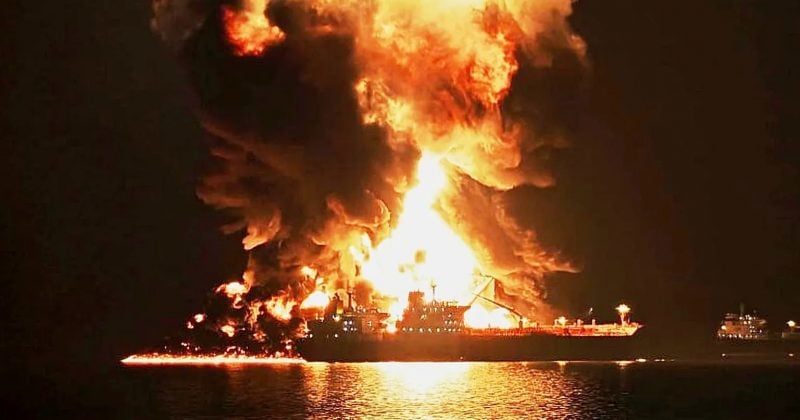
The collapse in traffic comes as both the US and Iran have escalated hostilities to a degree not seen in decades. US Central Command conducted strikes on Iranian ship facilities, while Iran claims to have hit two supertankers. Shipping intelligence firms Kpler and Windward have tracked a significant shift in navigation patterns, with vessels increasingly opting for Iranian-controlled routes or going “dark,” meaning they’re turning off their transponders to avoid becoming targets.
The crisis didn’t materialize overnight. Tensions have been building since February and March 2026, when Iran began issuing escalating threats to close the strait entirely. What followed was a series of attacks on commercial vessels by the Islamic Revolutionary Guard Corps (IRGC), gradually transforming the world’s most important oil transit route into something resembling a toll road operated at gunpoint.
Bitcoin as a wartime toll system
Since March 2026, the IRGC has been collecting tolls from vessels transiting the strait, and they’re not accepting wire transfers. Iran has turned to Bitcoin and stablecoins as the payment mechanism, reportedly charging up to $2 million per vessel for safe passage.
The toll system represents one of the most significant real-world deployments of cryptocurrency by a nation-state under economic pressure. Iran has even implemented what’s described as Bitcoin-backed insurance for ships navigating the waters, essentially creating a parallel financial infrastructure for maritime commerce that exists entirely outside the Western banking system.
On-chain analysis of Bitcoin transactions shows limited evidence of large-scale settlements so far, which could mean several things. The payments may be routed through privacy-enhancing techniques, processed through intermediary wallets, or the volume of ships actually paying the toll might still be relatively small compared to those simply avoiding the strait altogether.
The energy market domino effect
Despite the severity of the disruption, significant movements in the crypto market haven’t materialized yet. In previous geopolitical crises, Bitcoin has sometimes traded as a safe-haven asset and sometimes as a risk asset, with no consistent pattern. The current situation adds a new variable: Bitcoin isn’t just a potential hedge here. It’s an active participant in the conflict’s economic mechanics.
Energy traders tracking the situation should note that the 52% traffic decline, if sustained for more than a few days, would represent the most severe disruption to Hormuz transit in modern history. Previous incidents, including tanker attacks in 2019, caused temporary spikes in oil prices but traffic recovered quickly. This time, the combination of active military strikes from both sides, an organized toll system, and ships going dark suggests a more structural shift in how the strait operates.
Disclosure: This article was edited by Editorial Team. For more information on how we create and review content, see our Editorial Policy.






 English (US) ·