
 1 hour ago
25
1 hour ago
25
The Strait of Hormuz, a narrow waterway, has spent decades as the world’s most strategically important chokepoint. About 20% of global natural gas supplies pass through it, along with a massive share of crude oil. When the US and Iran went to war on February 28, 2026, that chokepoint became a bottleneck, and energy markets went haywire.
Five weeks of war, months of aftermath
The conflict lasted five weeks before a ceasefire took effect on April 8, 2026. Brent crude prices swung between roughly $95 and $126 per barrel in the months surrounding the conflict.
On June 17, 2026, both sides signed a memorandum of understanding extending the truce by an additional 60 days and reopening negotiations specifically focused on the Strait of Hormuz. The extension allowed a temporary reopening of the shipping route. Then, in late June, military exchanges between the two sides tested the limits of the agreement. An apparent stand-down followed.
Supply chain rethinking in real time
Energy traders and logistics firms are now re-evaluating their strategies in light of this lesson. The $31-per-barrel spread between the low and high points of Brent crude during this period tells the story in a single number.
Bitcoin as a geopolitical barometer
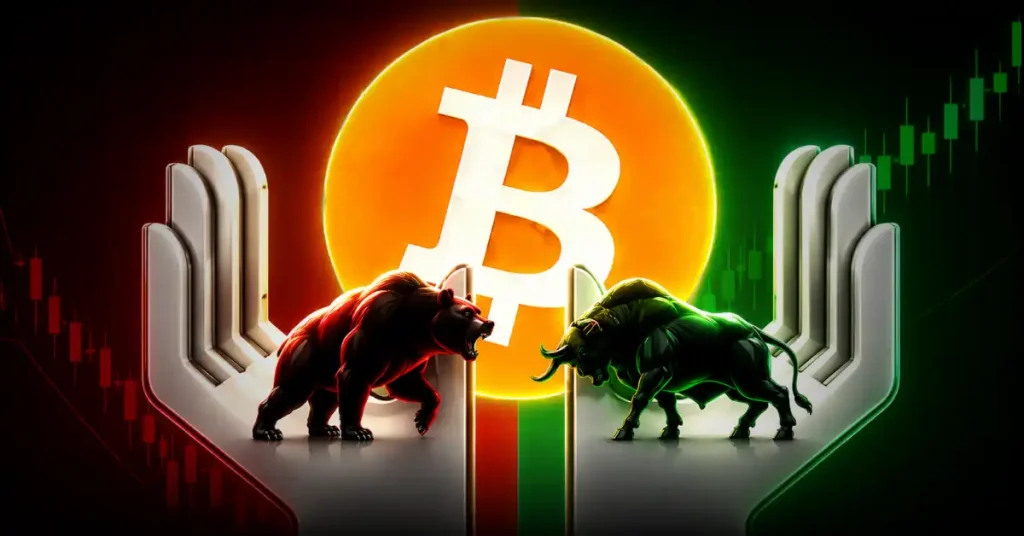
Bitcoin traded near $64,000 during ceasefire negotiations in mid-to-late June, a meaningful recovery but still below the peaks above $72,000 seen earlier in the conflict’s timeline. The pattern has been consistent: ceasefire progress pushes Bitcoin higher, military escalation pulls it back down.
No specific cryptocurrencies or tokens tied to energy logistics have emerged as meaningful players in the supply chain reassessment. The actual reshuffling of global energy routes is happening entirely within traditional finance and logistics infrastructure.
Disclosure: This article was edited by Editorial Team. For more information on how we create and review content, see our Editorial Policy.



 English (US) ·