
 1 hour ago
17
1 hour ago
17
The US and Iran are circling a draft memorandum of understanding that would create a roughly $300 billion private reconstruction fund for Iran’s postwar economy. Over half of that amount has reportedly already been pledged by private investors, according to Reuters.
The fund is designed to lean on private capital, with Gulf states potentially backing the effort, rather than direct US taxpayer spending.
What’s in the draft deal
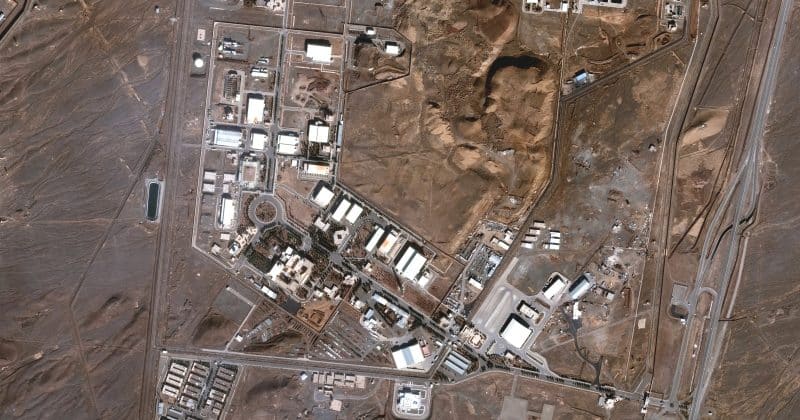
The proposed framework goes well beyond the reconstruction fund. Oil sanctions waivers would allow Iran to restart crude exports and begin collecting revenues again. Phased sanctions relief is also on the table, along with the release of frozen Iranian assets. In return, Iran would commit to nuclear restrictions and accept inspections.
An interim 60-day period would follow the initial agreement, during which the two sides would negotiate the finer details of the investment fund and nuclear limitations.
This framework emerged from discussions in May and June 2026, aimed at halting a Middle East conflict that has stretched past three months.
Mixed signals from Washington
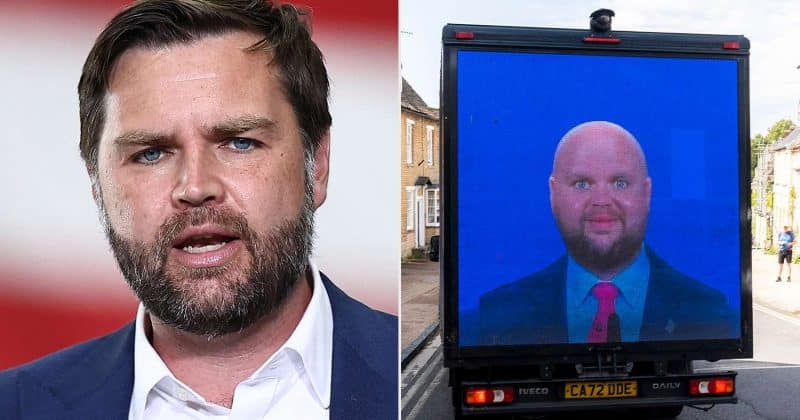
Some officials have denied aspects of the reconstruction fund’s existence. President Trump reportedly called parts of the reporting “fake news.” Meanwhile, Vice President Vance has acknowledged the fund exists.
As of mid-June 2026, a final agreement appears to be on the horizon, but nothing has been signed.
The $300 billion figure itself deserves scrutiny. Private investor commitments at this scale, with over half reportedly already pledged, would represent one of the largest coordinated private capital mobilizations for a single country’s reconstruction in modern history. For context, the Marshall Plan that rebuilt post-World War II Europe would be roughly $170 billion in today’s dollars.
What this means for markets and investors
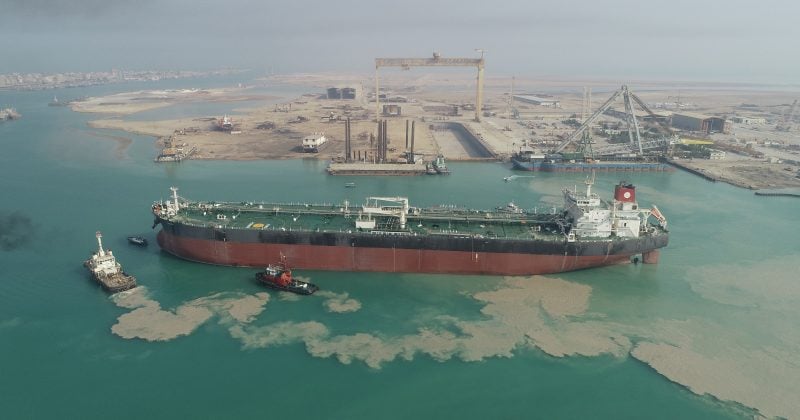
Iran sits on some of the world’s largest proven oil reserves. Lifting sanctions and allowing exports to resume would inject additional supply into global crude markets at a time when the ongoing conflict has impeded shipping through the Strait of Hormuz, affecting global oil supplies.
Investors should watch for three signals in the coming weeks. First, whether Gulf states make public commitments to the fund. Second, whether Iran takes any preliminary steps on nuclear transparency. Third, whether the White House settles on a consistent message about the deal’s existence and scope.
Disclosure: This article was edited by Editorial Team. For more information on how we create and review content, see our Editorial Policy.

 English (US) ·