
 1 hour ago
18
1 hour ago
18
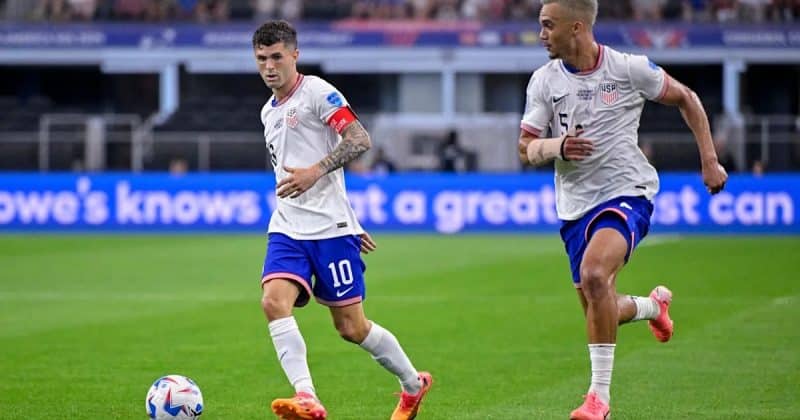
The 2026 FIFA World Cup kicks off across North America this summer, and Group H has quietly become one of the more interesting draws, both on the pitch and in crypto markets. Spain, Uruguay, Saudi Arabia, and Cape Verde will compete for knockout stage spots. Meanwhile, a separate competition is playing out on blockchain rails, where fan tokens, exchange partnerships, and speculative trading are turning tournament brackets into portfolio decisions.
Kraken was announced as the Official Crypto Exchange Supporter of FIFA World Cup 2026 on June 9, 2026. That deal plants a major crypto brand squarely in front of billions of viewers across North American and European markets.
The fan token landscape in Group H
Fan tokens have become the crypto world’s most direct link to professional football, and the infrastructure behind them is largely built by one company. Chiliz powers the largest football fan token platform through Socios.com, enabling supporters to buy tokens tied to their national teams. These tokens typically grant holders access to governance votes on minor team decisions and unlock exclusive rewards.
For Group H specifically, the token picture is uneven. Spain has a fan token, $SNFT, available within the Chiliz ecosystem. That gives traders a direct instrument to speculate on Spanish performance, sentiment shifts after matches, and the general hype cycle that surrounds a perennial contender.
Then there’s Saudi Arabia. The kingdom’s Public Investment Fund became an official supporter of the World Cup on May 14, 2026. But despite all that institutional muscle, Saudi Arabia has not issued any fan tokens backed by Chiliz. In English: the country most aggressively spending on football right now has zero presence in football’s biggest crypto vertical.
Higher-profile teams like Argentina ($ARG) and Portugal ($POR) already have Chiliz-backed tokens with established trading histories. Group H tokens, where they exist, simply don’t draw the same volume or liquidity.
What previous tournaments tell us about token volatility
Previous World Cup and Euro cycles have shown that fan tokens can experience substantial volatility tied to match results, group stage drama, and elimination rounds. A surprise win by an underdog can send its token spiking. A favorite’s early exit can crater prices overnight. The pattern is reliable enough that it has attracted a niche but active community of speculative traders who treat tournament brackets like earnings calendars.
Chiliz’s native token, CHZ, tends to ride a similar wave. As the underlying infrastructure token powering Socios.com, CHZ price action often correlates with overall fan token trading activity. Tournament periods have historically been CHZ’s most volatile stretches.
The challenge for Group H specifically is that the constituent teams, with the partial exception of Spain, don’t generate the token trading interest that groups featuring Brazil, Argentina, or France would. Liquidity in $SNFT is likely to be thinner than in $ARG or $POR, which introduces wider spreads and more slippage for anyone trying to trade around match outcomes.
What this means for crypto investors
Kraken’s FIFA partnership is the bigger structural story here. An official exchange sponsorship at the world’s most-watched sporting event puts crypto branding in front of an audience that dwarfs anything the industry can reach through Twitter threads and podcast ads. The potential for user acquisition, particularly in markets where Kraken is actively competing for retail customers, is significant.
For traders eyeing fan tokens, Group H requires a more careful approach than simply buying the dip after a loss or riding momentum after a win. The liquidity constraints around lesser-known team tokens mean that positions can be harder to exit at favorable prices, especially during fast-moving post-match windows when everyone is trying to trade the same narrative simultaneously.
Spain’s $SNFT is the most tradable Group H asset within the Chiliz ecosystem, but even it pales in comparison to the depth available on tokens for traditional tournament favorites. Investors considering positions in these assets need to factor in not just match outcomes, but the structural reality that thin order books amplify both gains and losses.
Saudi Arabia’s absence from the fan token space, despite its aggressive football investment strategy, also raises questions about whether institutional sports money and crypto-native fan engagement tools will eventually converge or continue operating on separate tracks. If a sovereign wealth fund spending billions on football still won’t touch fan tokens, that tells you something about the regulatory and reputational calculus that governments are running behind the scenes.
Disclosure: This article was edited by Editorial Team. For more information on how we create and review content, see our Editorial Policy.

 English (US) ·