
 1 hour ago
15
1 hour ago
15
The Japanese yen just hit a level it hasn’t seen since Ronald Reagan was in office and Top Gun was dominating the box office. Trading around ¥161.93-161.96 per US dollar in late June 2026, Japan’s currency has fallen to its weakest point since December 1986.
A 250-basis-point gap is doing the heavy lifting
The core problem is straightforward. The Bank of Japan’s policy rate sits at roughly 1%, while the Federal Reserve’s rate hovers near 3.5%. That gap, roughly 250 basis points, creates an irresistible gravitational pull that drags the yen lower.
Japan hasn’t been sitting idle. Between late April and May 2026, the country deployed a record ¥11.7 trillion, roughly $72.5 billion, in currency intervention to prop up the yen. The intervention managed to halt the slide near ¥155 per dollar. Then the yen resumed its descent anyway, blowing past that level and settling near ¥162.
The carry trade is back, and it’s bringing friends
The yen’s weakness has revived the yen carry trade. The mechanics are simple. Borrow Japanese yen at rock-bottom rates. Convert it into dollars or another higher-yielding currency. Invest the proceeds in riskier, higher-return assets. Pocket the difference.
Speculative short positions against the yen reached a nine-year peak by mid-June 2026. When a trade gets that crowded, the exits become very narrow if everyone tries to leave at once.
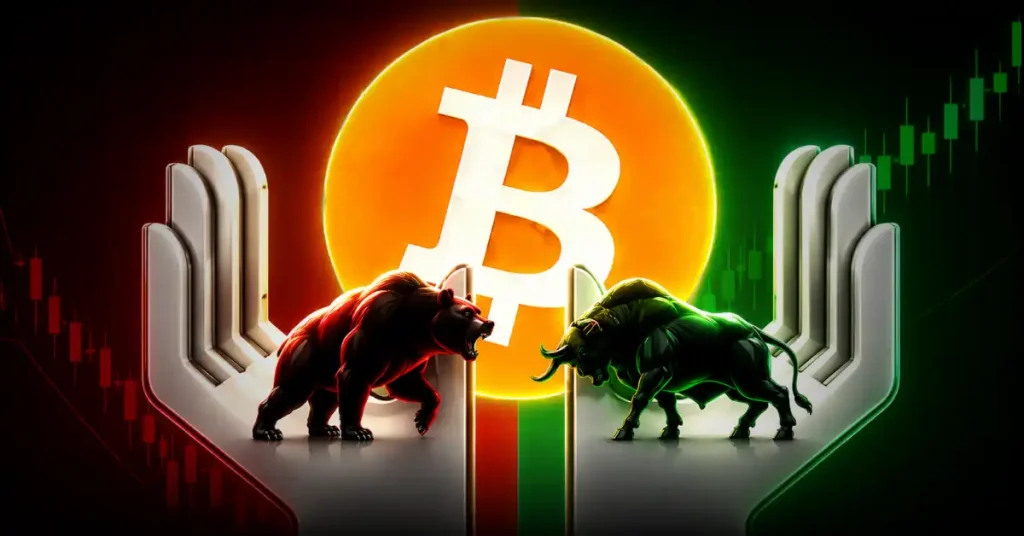
As the yen tumbled to its four-decade low, Bitcoin was struggling below $60,000. That correlation isn’t a coincidence. It’s the same macro forces expressing themselves across different asset classes.
Why the BOJ is the most important central bank for crypto right now
The BOJ has two real options. It can intervene again, spending another massive sum to defend the currency. Or it can raise interest rates more aggressively, narrowing the gap with the Fed and making the carry trade less attractive.
If the BOJ suddenly tightens policy, the carry trade unwinds. Traders who borrowed yen to buy risk assets need to sell those assets and buy yen to repay their loans. We saw a version of this in 2024, when carry trade unwinding contributed to sharp drawdowns across global markets. The current setup, with short positions at nine-year highs, suggests the sequel could be more dramatic.
Traders are now searching for Japan’s next threshold, the level at which the BOJ feels compelled to act decisively. Whether that’s ¥165, ¥170, or some other number, the answer will ripple through every risk asset on the planet. Bitcoin sits squarely in that blast radius.
Disclosure: This article was edited by Editorial Team. For more information on how we create and review content, see our Editorial Policy.




 English (US) ·