
 1 hour ago
14
1 hour ago
14
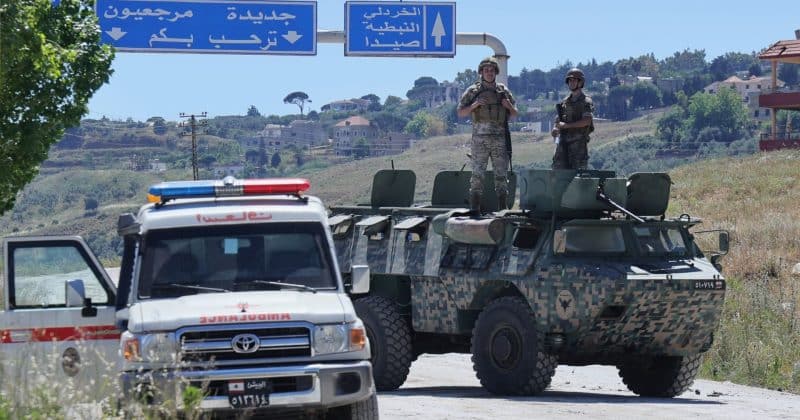
Iran and Oman are moving ahead with plans to jointly impose service fees on ships passing through the Strait of Hormuz, the narrow waterway that carries roughly 20% of the world’s oil supply. The US has objected, but that hasn’t slowed the effort.
Here’s what makes this a crypto story: Iran has reportedly been collecting transit tolls payable in bitcoin, USDT, or Chinese yuan through intermediaries linked to the Islamic Revolutionary Guard Corps. It’s sanctions evasion at sovereign scale.
What’s happening in the strait
The New York Times reported on Tuesday, citing an Iranian official and four diplomats, that the two Gulf nations are coordinating on a fee structure for commercial vessels transiting the strait. Oman has reportedly proposed voluntary navigation fees to the US and its allies, while Iran has long sought to monetize the chokepoint it partially controls.
This runs directly counter to a 14-point agreement the US and Iran signed earlier this month. That deal explicitly stipulates “the safe passage of commercial vessels with no charge” through the Strait of Hormuz. But there’s a catch: the provision only holds during a 60-day negotiation window. After that, everything is back on the table.
The US position is that tolls in the strait violate international law. Secretary Marco Rubio has said as much publicly. Washington has also reportedly threatened Oman with sanctions over its fee proposal.
Reports from earlier in 2026 indicate Iran has already been enforcing transit tolls on vessels, charging approximately $1 per barrel of oil or up to $2 million per vessel.
Bitcoin as a sanctions workaround
Iran has structured its toll collection to accept cryptocurrency, specifically bitcoin and the stablecoin USDT, alongside Chinese yuan. The payments flow through intermediaries connected to the IRGC. The transactions are harder to intercept than wire transfers, don’t require correspondent banking relationships, and can be settled without touching the US dollar system at all.
Tether, the issuer of USDT, has previously frozen wallets associated with sanctioned entities, but the company’s ability to police every transaction in real time remains limited.
Why this matters for markets
The Strait of Hormuz handles about a fifth of all oil traded worldwide. Shipping insurance costs in the region have already spiked multiple times throughout 2026 as tensions have escalated.
The 60-day negotiation window from the US-Iran agreement is the key variable to watch. Once that expires, the legal framework constraining Iran’s toll ambitions disappears entirely.
Disclosure: This article was edited by Editorial Team. For more information on how we create and review content, see our Editorial Policy.





 English (US) ·